COCO PEAT HYDROPONIC SYSTEM
Sep 19, 2024
Leave a message
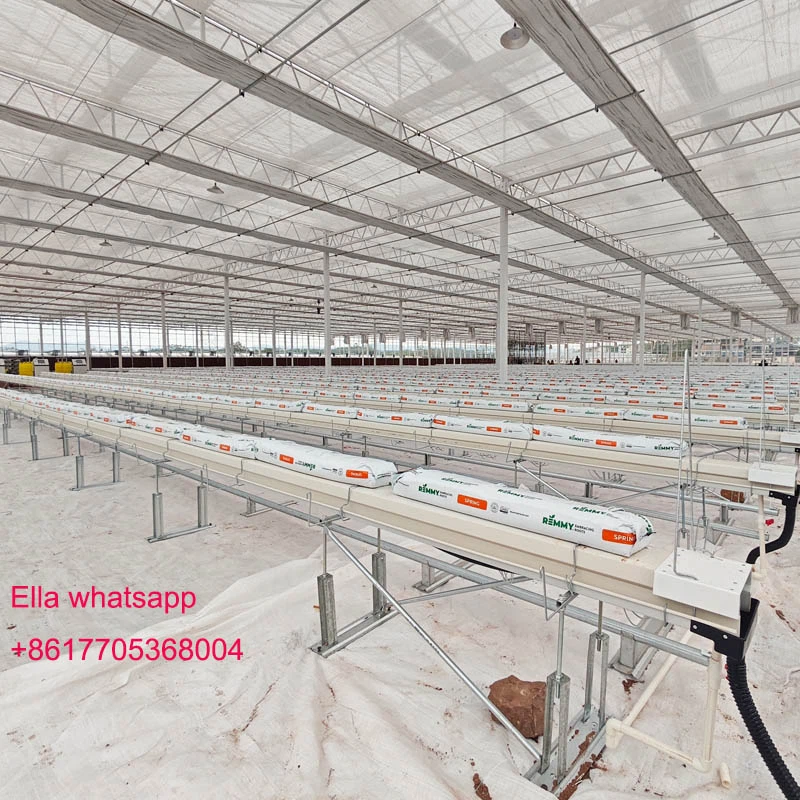
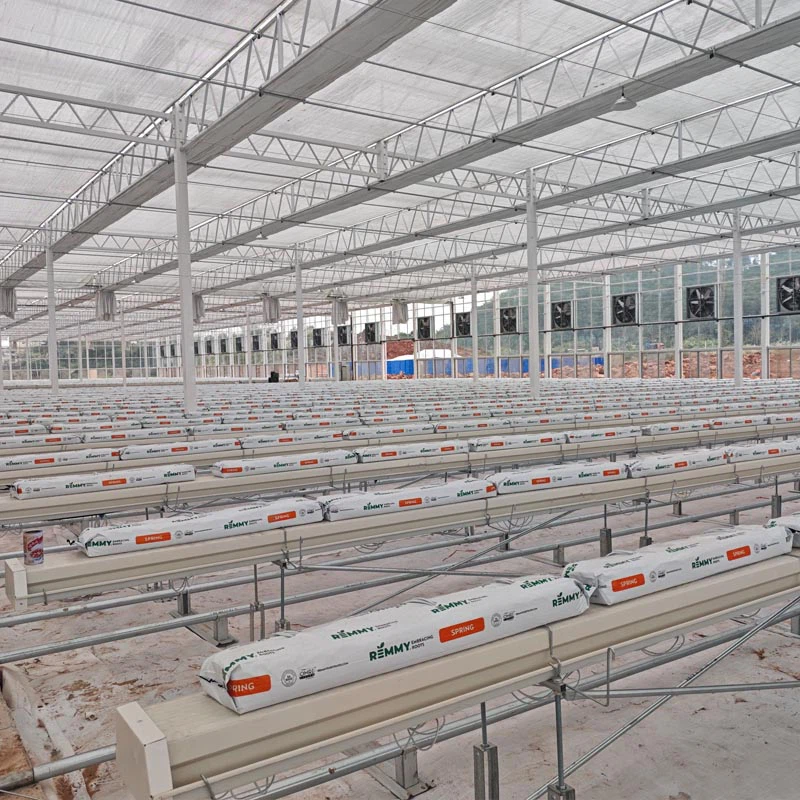
COCO PEAT HYDROPONIC SYSTEM AS ONE OF SOILESS CULTIVATION IS POPULAR IN GREENHOUSE
CoCopeat bag made of coir material.
Coir is the product of crushed coconut shells and is not soil, it is a great substrate for flower growing and needs to be used in conjunction with other soils. So what are the pros and cons of coir soil?
Advantages:
1. good water retention. Coir soil absorbs water quickly and retains a lot of water.
The biggest advantage of coir soil is that it retains water well. When we water our flowers, coir soil can absorb water quickly and store it.
2. Good air permeability. Coir soil never gets sloughed off, which is good for the respiration of plant roots.
Coir soil is very breathable and never gets sloughed off. Such soil is favorable for the respiration of plant roots.
3. Economical and environmentally friendly. Coir soil is a by-product of coconut processing, can be naturally degraded, belongs to the environmental protection substrate.
Coconut husk soil is an environmentally friendly flower-raising substrate that can be naturally degraded, and is formed after coconut husk is crushed.
Disadvantage: organic matter content is low, can not be used alone as a flower soil, need to be mixed with other soil.
Coconut husk soil also has a lot of disadvantages, such as: coconut husk soil itself is very low in organic matter content, and need to be used with other soils in order to plant flowers.
Translated with DeepL.com (free version)