Strawberry Trough in Greenhouse
Nov 21, 2025
Leave a message
I. Space Utilization and Yield Increase
1. Vertical Layered Design: The A-shaped structure achieves three-dimensional planting through multiple planting troughs (usually 3-5 layers), increasing the planting density per unit area by 2-3 times compared to traditional ground planting. For example, with a single layer trough depth of 25cm and a spacing of 40cm, 8,000-10,000 strawberry plants can be planted per acre.
2. Flexible adaptation to various scenarios: Suitable for small spaces such as greenhouses and balconies, especially for urban agriculture. The sloping A-shaped design avoids shading of the lower layers, ensuring that each layer of plants receives uniform light.
II. Environmental Control and Health Management
1. Ventilation and Lighting Optimization: The 60°-70° angle between the tanks creates a natural airflow, reducing humidity by 20%-30% and minimizing diseases such as gray mold.
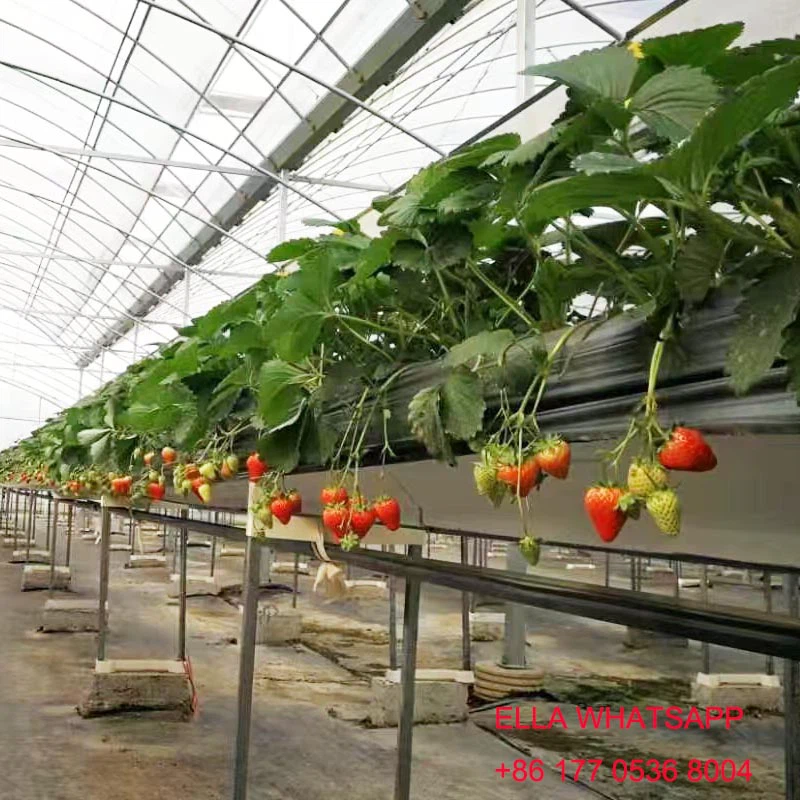
Strawberry trough
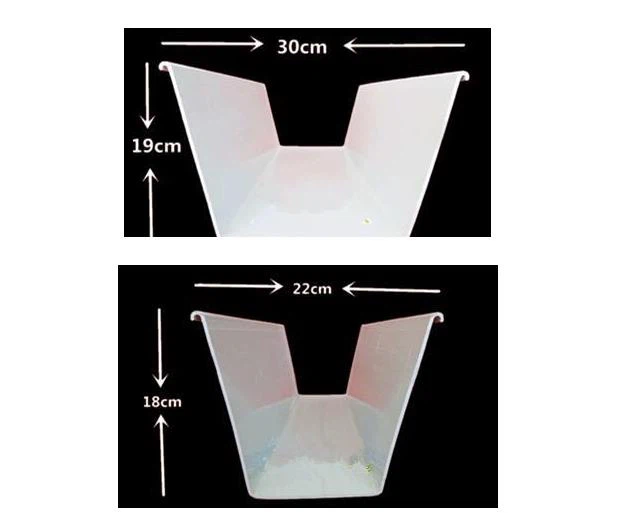
The typical dimensions for the top layer are 20×19×30mm, and for other layers, it's 13×18×22mm.
The supports are spaced 1 meter apart to facilitate walking. The base of the supports occupies approximately 1,3 meters.
The large planting trough at the top can be used to plant two rows of strawberries, while the smaller planting trough below can be used to plant a single row of strawberries.
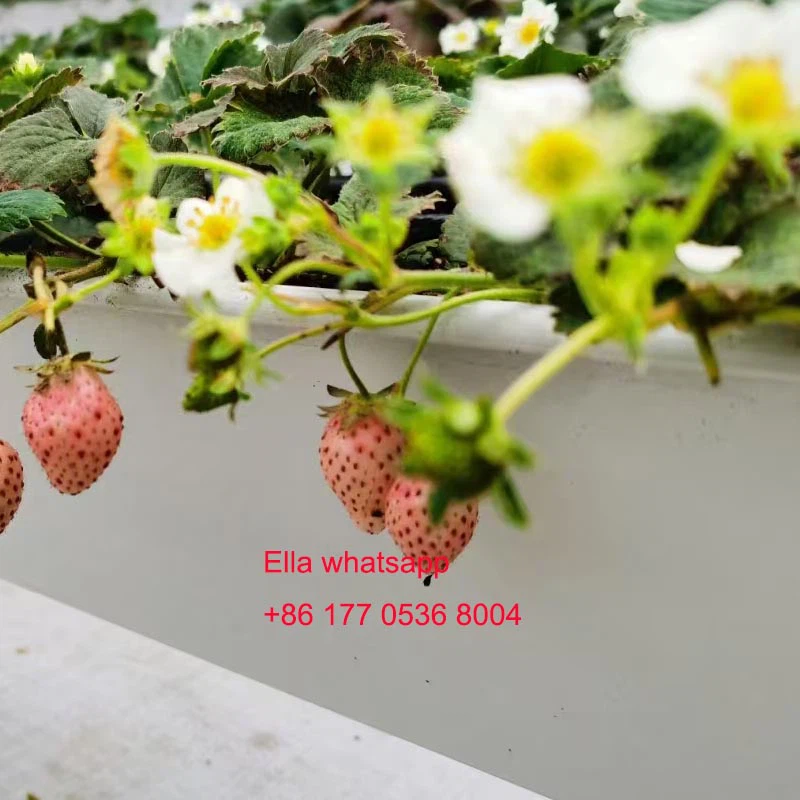
In terms of planting density per unit area, traditional strawberry cultivation methods require 8,000 to 10,000 plants per 667 m2. Using a hydroponic system, the number of plants can be increased by 20% to 30%, reaching 11,000 to 13,000 plants per 667 m2. Furthermore, strawberries have high requirements for water and fertilizer, making fertile soil ideal for traditional cultivation. However, with hydroponic cultivation, the nutrient substrate can be freely selected, significantly reducing soil limitations. Regardless of soil fertility, strawberries can thrive even on barren slopes, wastelands, or concrete surfaces, as long as the nutrient substrate meets the requirements, ensuring normal growth.
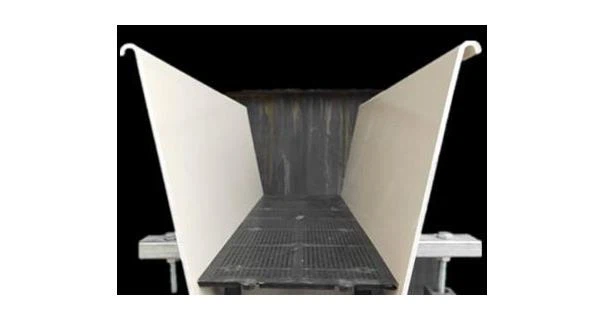
Breathable drainage board: Placed at the bottom of the trough, it is used for ventilation and drainage. It is an essential part of vertical planting and can provide plants with a good environment for growth.
End caps: Used to seal the ends of the planting trough.
Connectors: Used to connect planting troughs to each other.
Drainage fittings: Installed at the bottom of the trough to allow excess water to drain out.
Hooks: Used to secure drip irrigation pipes.