What Is The Smart Glass Greenhouse
Nov 04, 2026
Leave a message
This glass greenhouse, equipped with a "brain," is known as a "smart glass greenhouse." Compared to standard fully automated glass greenhouses, the "smart" designation signifies enhanced capabilities in intelligence, data acquisition, and analysis. Essentially, it represents an upgraded version of a modern glass greenhouse-one now endowed with a "brain." Furthermore, such greenhouses are an essential upgrade for future modern agricultural parks; they provide a necessary pathway for the state and society to ensure that production resources remain traceable and controllable, thereby preventing the waste of resources.
Compared to automated glass greenhouses, what makes a glass greenhouse "smart"?
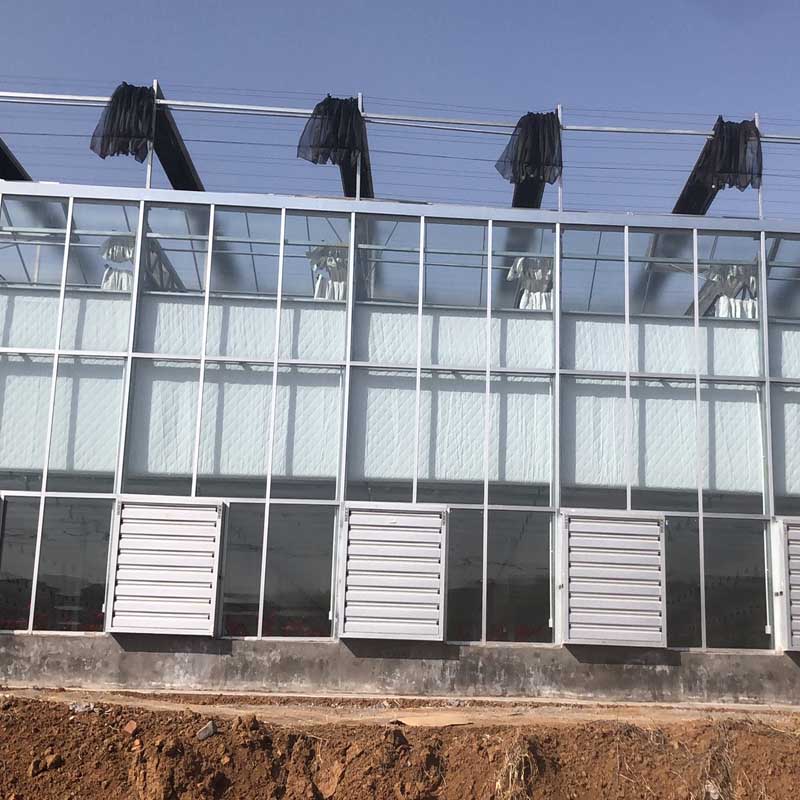
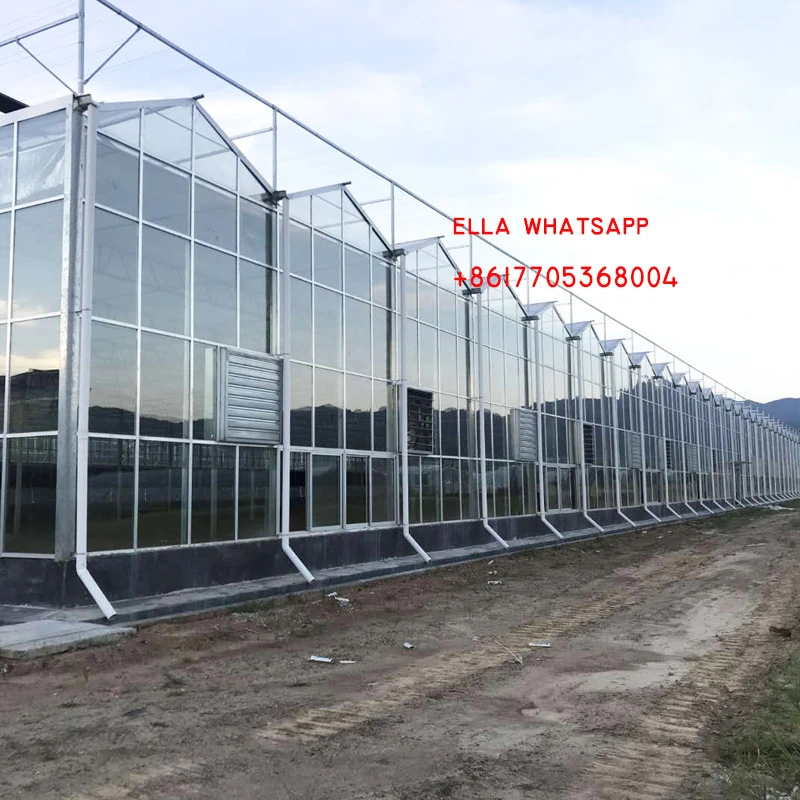
Automated greenhouse refers to a glass greenhouse with strong environmental control capabilities. The greenhouse is normally equipped with systems that can adjust the temperature, light, humidity, ventilation and other parameters inside the glass greenhouse that can affect the normal growth requirements of plants. At present, the standard glass greenhouse supporting systems include external shading system, internal shading system, top skylight ventilation system, fan water curtain forced cooling ventilation system, fill light system, carbon dioxide generator system, etc. Fully automatic greenhouse means that all these systems realize automated and mechanized operation without manual intervention.
A smart glass greenhouse control system incorporates a "greenhouse control logic software system" within its controller. This is the most critical technology of the system, as it directly determines whether the greenhouse's automated control can achieve a level of "fully autonomous, unattended operation." Consequently, it serves as the core metric for evaluating the sophistication of any such control system. To be considered professional-grade, the control logic for a smart glass greenhouse must meet the standards established by the Dutch greenhouse control model.
Data acquisition for smart glass greenhouses is divided into two parts: the collection of data from outdoor weather stations and the collection of data on indoor cultivation parameters.
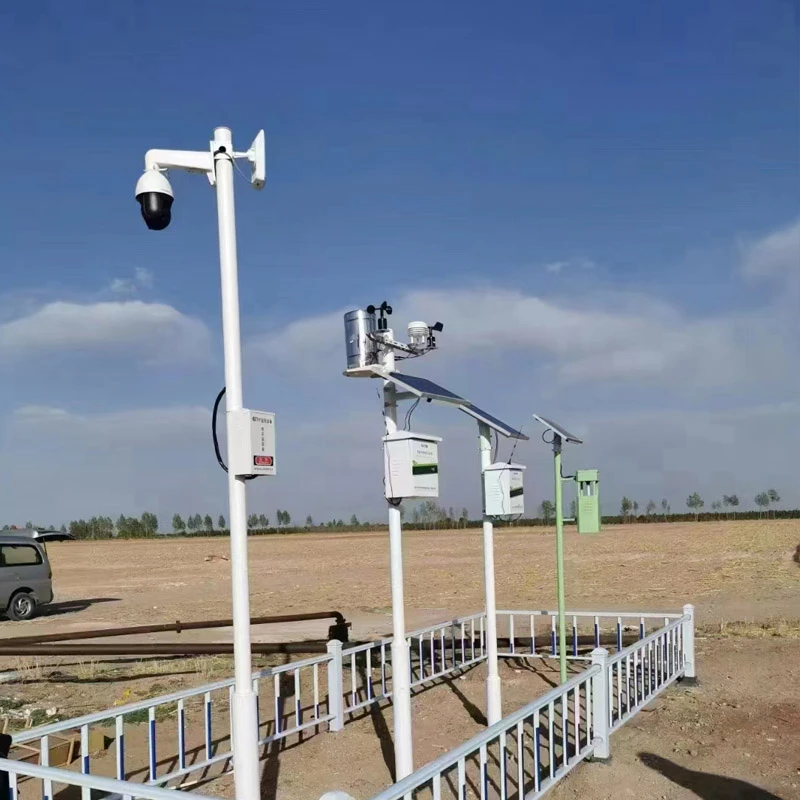
An outdoor weather station collects environmental parameters-such as outdoor temperature, humidity, light levels, wind speed, wind direction, and precipitation (rain/snow) signals-which serve both as a reference for regulating indoor conditions and as a data source for protective, weather-responsive automation in smart greenhouses.
A greenhouse protection system designed for adverse weather-such as high winds, heavy rain, or snow-serves to safeguard greenhouse ventilation windows and external shading screens. In regions prone to volatile weather, sudden high winds or downpours can occur, even at night. If staff cannot reach the greenhouse in time, open ventilation windows may be damaged by strong gusts, or rainwater may enter the facility; similarly, external shading screens left extended could be torn by high winds, leading to property damage. By integrating a greenhouse control system that utilizes data from an outdoor weather station, the facility can automatically issue commands to secure the greenhouse, thereby protecting it from such natural hazards.
Compared to automated glass greenhouses, smart glass greenhouses are more like systems that possess their own "brains"-complete with an internal decision-making framework-making them significantly more intelligent than their automated counterparts.