

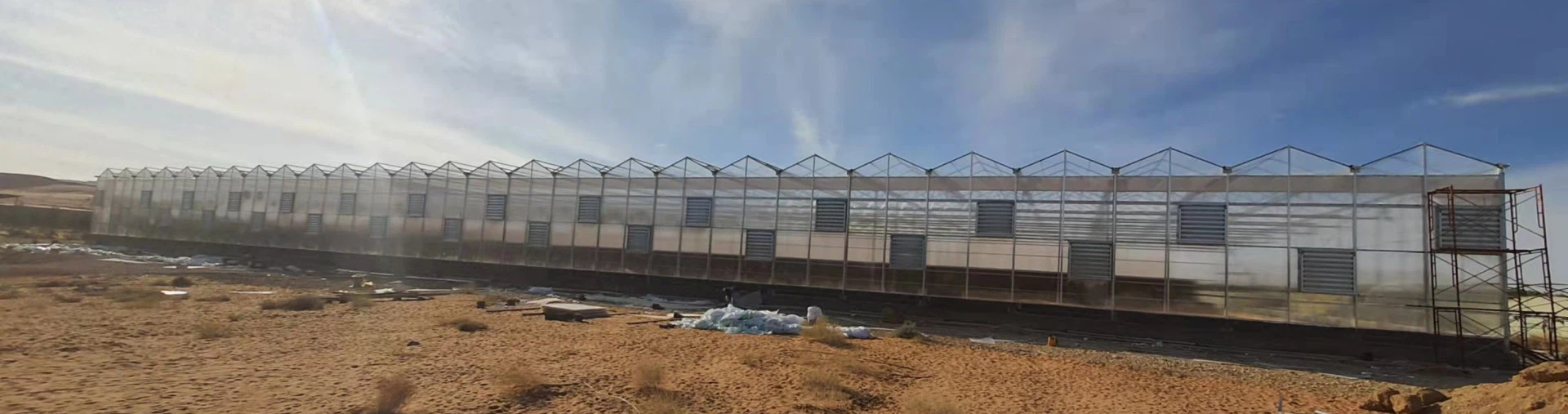


Vertical Hydroponics
Description
Technical Parameters
Vertical planting (vertical farming), also known as vertical planting / three-dimensional planting, is the use of three-dimensional space, a piece of land use area, by multiple increases, so that the use of land greatly improved; like a house to apartment. This can be indoor or outdoor (greenhouse or building shell) planting, or the breeding of various animals. Planting methods include soil culture, substrate culture, hydroponics, fog culture and fish and vegetables symbiosis. Indoor planting must use artificial light, outdoor planting because of the high stack, but also usually choose to use artificial light.
Planting patterns
Matrix culture: soilless cultivation in which the root system of a plant is fixed with a solid matrix (medium) and the nutrient solution and oxygen are absorbed through the matrix. There are many kinds of matrix, the commonly used inorganic matrix is vermiculite, perlite, rock wool, sand, polyurethane and so on; organic matrix has peat, rice husk charcoal, bark and so on. Therefore, substrate cultivation is divided into rock wool cultivation, sand culture and so on. Drip irrigation is used to supply nutrient solution. Its advantages are simple equipment and low production cost. But the need for more matrix, continuous aging matrix is prone to germs, disease transmission.
Hydroponic: hydroponic is the use of modern bioengineering technology, the use of physical, chemical, bioengineering means to domesticate ordinary plants, flowers. Easy to carry, easy to take care of, cheap, clean, healthy growth of leaves, can reach the picture of fish and flowers.
Fog culture: also known as gas culture. The abbreviation of spray cultivation. One of the ways of soilless cultivation. Instead of solid matrix, it directly sprays nutrient solution onto plant roots to supply the nutrients and oxygen it needs. Containers, usually made of foam plastic sheets, are perforated and planted with plants, stems and leaves exposed to the holes, and roots hang in the dark of the lower space. Spray nutrient solution to root system every 2-3 min for a few seconds. The nutrient solution is recycled, but the solubility of fertilizer in the nutrient solution should be high, and the droplets should be very fine.
Now, fog culture plants are in the promotion stage. Especially in the poor vegetation conditions, it is more suitable for the popularization and application of fog culture plants.
Fish and vegetable symbiosis: fish and vegetable symbiosis (Aquaponics) is a new type of compound tillage system. It combines aquaculture (Aquaculture) and hydroponic cultivation (Hydroponics), two originally completely different farming techniques, to achieve scientific symbiosis through ingenious ecological design. In order to realize the ecological symbiotic effect of fish culture without water change and water quality. In traditional aquaculture, with the accumulation of fish excreta, ammonia nitrogen in water increases and toxicity increases gradually. In the fish and vegetable symbiosis system, aquaculture water is transported to the hydroponic cultivation system, and the ammonia nitrogen in the water is decomposed into nitrite and nitrate alkali by microbial bacteria, and then absorbed and utilized by plants as nutrients. Since hydroponic and aquaculture technologies are the cornerstone of fish-and-vegetable symbiosis, fish-and-vegetable symbiosis can produce multiple types of systems by combining different modes of hydroponic and aquaculture technologies. Fish and vegetable symbiosis makes a harmonious ecological balance between animals, plants and microorganisms. It is a low carbon production model of sustainable cycle zero emission in the future, and it is also the most effective method to solve the agricultural ecological crisis effectively.
Hot Tags: vertical hydroponics, China, suppliers, manufacturers, factory, made in China, Hydroponics Soilless Cultivation, NFT Hydroponics, Aeroponics Hydroponics, Hydroponics Growing Racks, Horizontal Hydroponics, Dutch Bucket Grow Hydroponics
Previous
Aeroponics HydroponicsSend Inquiry


