


Effects of temperature changes on crops and greenhouse widly use
Mar 01, 2025
Leave a message
Effects of temperature changes on crops
The impact of temperature changes on crops is reflected in many aspects, as follows:
Impact on crop growth and development

Germination and emergence: Different crops require different suitable temperatures for germination. For example, the suitable temperature for wheat germination is 15-20°C. If the temperature is too low, germination will be delayed, and if the temperature is too high, the seed vitality will decrease or even not germinate.
Flower bud differentiation: During the flower bud differentiation period of apple and other fruit trees, if the temperature is abnormal, the quality and quantity of flower buds will be affected. Continuous high temperature will reduce the differentiation of apple tree flower buds, resulting in low fruit setting rate in the coming year.
Flowering and pollination: When the rice flowering period encounters low temperature, the anthers will not dehisce and the pollen tube elongation will be blocked, affecting pollination and fertilization, resulting in an increase in empty and deflated grains.
Effects on physiological processes of crops
Photosynthesis: Temperature affects the activity of photosynthetic enzymes. For example, cotton has strong photosynthesis at 25-30°C. If the temperature is too high or too low, the photosynthetic efficiency will decrease and affect the accumulation of organic matter.
Respiration: At low temperatures, crop respiration is weakened and energy supply is insufficient, affecting growth; high temperatures will make respiration too strong and consume too much organic matter, which is not conducive to crop growth and yield formation.

Water metabolism: Too high a temperature will intensify the transpiration of crops, causing water to be lost too quickly. If the soil moisture is insufficient, crops will wilt, affecting growth and development.
Impact on crop diseases and insect pests

Time of occurrence of pests and diseases: Rising temperatures may shorten the hibernation time of pests and increase the number of breeding generations. For example, a warm winter will cause pests such as wheat aphids to awaken early, and the number of breeding generations may increase from more than 10 to more than 20 generations per year.
Distribution range of pests and diseases: As global temperatures rise, the survival range of some pests and diseases that were originally difficult to survive in high latitudes or high altitudes has gradually expanded. For example, the citrus psyllid, which was originally found in the south, has a tendency to spread to the citrus producing areas in the north as the temperature rises.
Impact on crop quality and yield

In terms of quality: A large temperature difference between day and night is conducive to the accumulation of sugar in the fruit. For example, grapes in Xinjiang have a large temperature difference between day and night, and the fruit has a high sugar content and a good taste. However, if the temperature is abnormal during the ripening period of the fruit, the quality will be affected. For example, if apples encounter high temperatures during the ripening period, the fruit will have poor coloring and light flavor.
In terms of yield: If the temperature is suitable during the critical growth period of crops, it will help increase yield. However, if rice encounters sustained high or low temperatures during the heading and grain-filling period, the seed setting rate will decrease and the yield will decrease.

Impact of rising temperatures on crops
Management measures before warming
Controlling growth and promoting roots: necessary measures to reduce the occurrence of diseases
Controlling growth means controlling crops from growing too vigorously. If they grow too vigorously, they will easily get sick. You can control the growth of fruit trees by pruning and thinning branches to prevent them from growing too densely. This will provide better ventilation and light transmission, and the crops will naturally grow healthier.
Root promotion is to promote the growth of the root system so that the roots of crops can take root deeper and wider. This can be achieved through proper fertilization and irrigation. For example, you can apply some organic fertilizer to crops in spring, which can not only provide nutrients, but also improve the soil and allow the root system to develop better.
Balanced growth: the relationship between the growth of above-ground and underground parts when the air temperature and ground temperature are fixed

The growth of crops must be balanced, and the above-ground and underground parts must be coordinated. When the air temperature and ground temperature are fixed, this balance can be maintained by adjusting planting density and optimizing the irrigation system. For example, if planting density is too high, crops will compete for nutrients and sunlight and grow unevenly. At this time, the planting density can be appropriately reduced so that each crop has enough space and nutrients. The irrigation system is also very important to ensure that crops can get water in time when they need it, so that the above-ground and underground parts can grow in harmony.
Effects of rising temperatures on crop growth
Temperature difference changes: uneven growth caused by temperature rising first
As the temperature rises, the above-ground parts grow faster and the underground parts cannot keep up, resulting in uneven growth. At this time, this imbalance can be reduced by adjusting the planting structure and management measures. For example, some dwarf crops can be planted between crops, which can reduce direct sunlight on the ground and maintain a certain amount of ventilation, allowing the crops to grow more balanced.
The above-ground part grows vigorously: the sugar supply is insufficient and the root system cannot keep up. Sometimes, when the temperature rises, the above-ground part of the crop grows too fast, but the root system cannot keep up, which leads to insufficient sugar supply. At this time, this problem can be solved by adjusting nutrient supply and root management. For example, the use of nitrogen fertilizers can be appropriately reduced and phosphorus and potassium fertilizers can be increased, which can not only control the growth of above-ground parts, but also promote the development of root systems.
High incidence of diseases: There is a small peak of old leaf diseases and stem base diseases. When the temperature rises, crops are prone to diseases, especially old leaf diseases and stem base diseases. At this time, the occurrence of diseases can be reduced through early prevention and timely control. For example, you can spray some biological pesticides on crops before the disease peak period, which can prevent diseases without causing damage to crops.

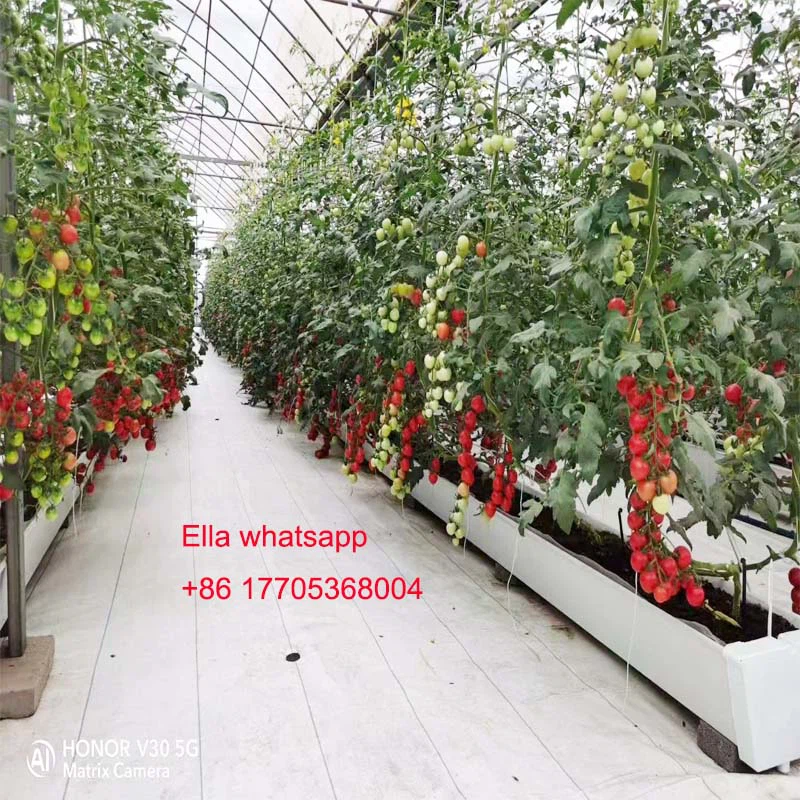
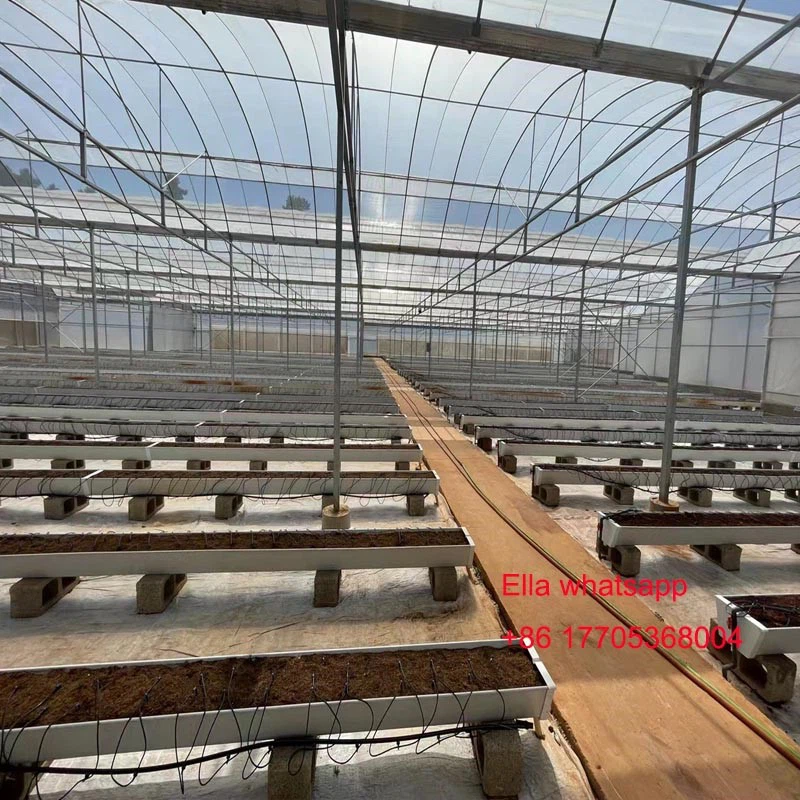
In order to solve the impact of temperature changes on vegetables and crops. In different countries and regions around the world, agricultural greenhouse cultivation, accompanied by soilless cultivation, has begun to be used to avoid various pests and diseases.
In the greenhouse, the shading system, cooling system, ventilation system, and heating system can be used to adjust the temperature in the greenhouse in different seasons to meet the optimal growth period of the crops. This effectively achieves the demand for high output.
