


Guide to building large industrial glass greenhouses
Feb 24, 2025
Leave a message
Guide to building large industrial glass greenhouses
The construction of industrialized large-scale smart greenhouses includes building structures, planting materials, water and fertilizer management, picking and sales, etc.
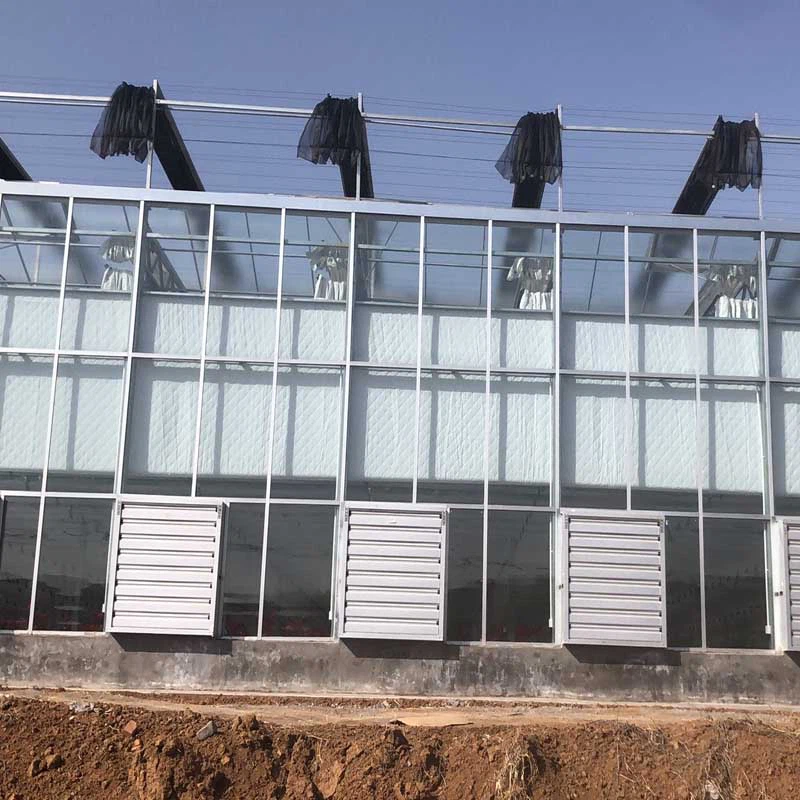
1. Early planning and scheme design
1. Demand analysis and site selection assessment Determine the greenhouse scale, height, layout and functional requirements based on the crops (such as vegetables, flowers, elevated strawberries, etc.). Consider topography, climate conditions (such as wind load, snow load, rainfall), water sources and transportation convenience to ensure that the site selection complies with the "Greenhouse Design Standards". Economic benefit analysis: Combine investment costs and expected output to optimize the design plan and avoid excess functions.
2. Structural parameters and load design
Greenhouses need to meet performance indicators such as wind load resistance (≥0.4kN/㎡), snow load (≥0.35kN/㎡), etc. The main frame is made of hot-dip galvanized steel pipes or aluminum alloy materials to ensure durability. Common greenhouse types include Venlo type, vault type, smart multi-span greenhouse, etc. The recommended span of a single building is 8-12 meters, the top height is 6-8 meters, and the shoulder height is 5-7 meters.
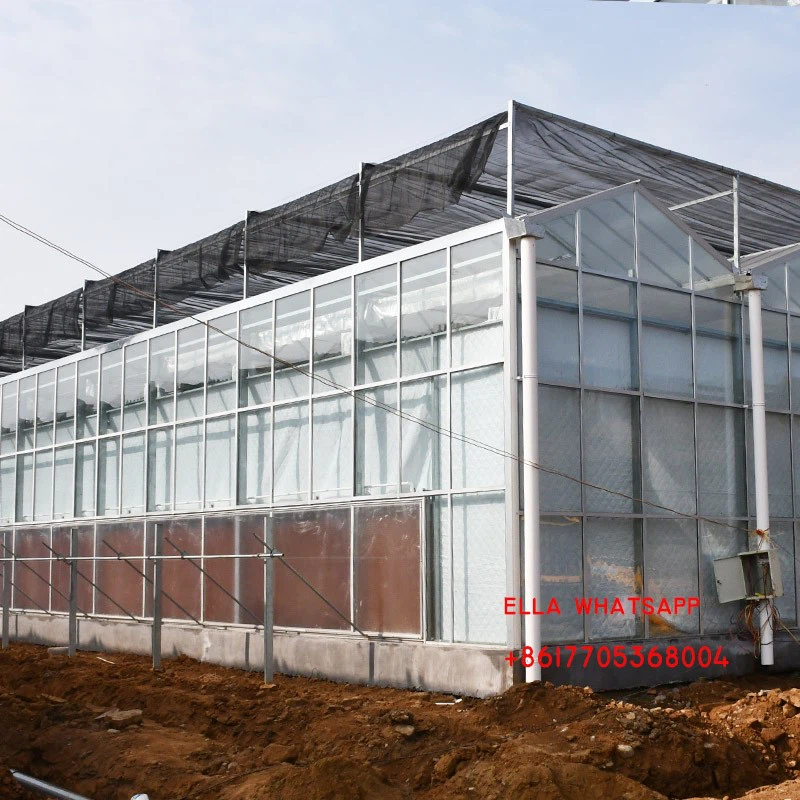
2. Material and equipment preparation
1. Main material skeleton: hot-dip galvanized steel pipe (on-site; bolted connection), aluminum alloy profiles, and the connecting parts need anti-corrosion treatment. Covering material: The top can be covered with 8mm sunlight panel (transmittance ≥85%) or tempered glass, and the surrounding area can be covered with insulating glass or double-layer plastic boards. Auxiliary materials: Rain gutters, scattered water, concrete roads and other infrastructure must be constructed according to specifications.
2. Intelligent equipment configuration
Environmental control system: intelligent temperature control (such as automatic rolling shutters, ventilation, shading), wet curtain fan cooling, fill light system, etc. Integrated water and fertilizer system: uses digital irrigation equipment, accurately proportions water and fertilizer, and supports remote control. Internet of Things monitoring platform: Integrated sensors monitor temperature, humidity, light, and soil moisture in real time, and data-driven automatic adjustment of environmental parameters.
3. Construction process and technical requirements
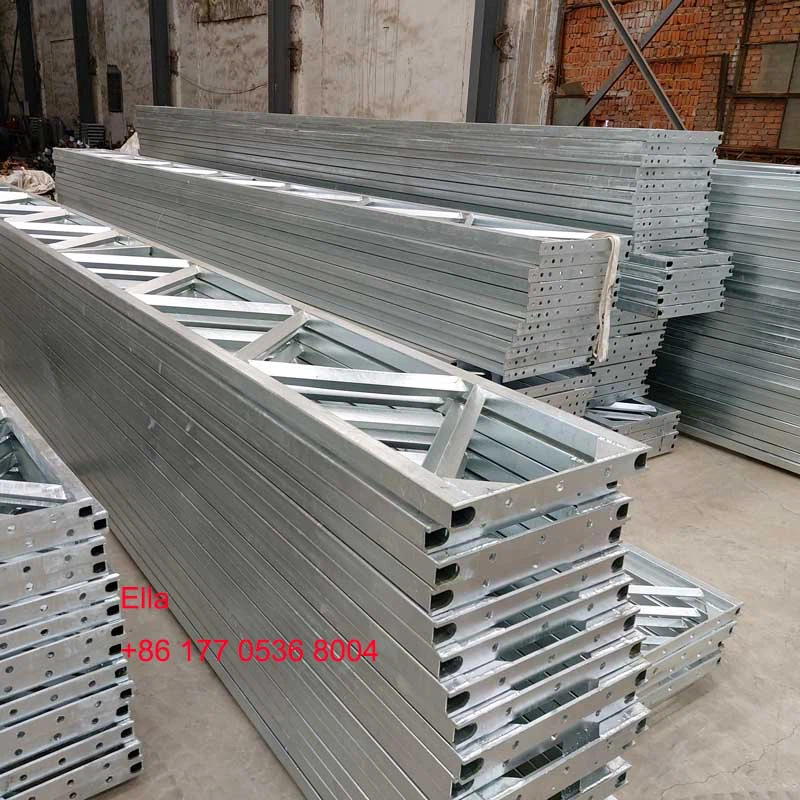
1. For foundation and skeleton construction, foundation measurement and concrete pouring shall be carried out according to the design plan to ensure flatness and load-bearing capacity. The skeleton is assembled using standard clamps and galvanized bolts to avoid welding to extend service life.
2. The sun panels or glass covering the top of the equipment installation must be fixed with special aluminum profiles to ensure sealing and light transmittance. Install the sunshade system (internal/external sunshade), ventilation equipment and intelligent control system, and conduct linkage debugging.
3. Irrigation and power systems
Lay drip irrigation pipelines and combine water and fertilizer integrated equipment to achieve precise supply. Power lines need to be planned independently to avoid crossing with the irrigation system to ensure safety.
4. Key matters needing attention
1. Safety and Quality Safety regulations must be strictly observed during construction, and the stability of the skeleton and the integrity of the covering materials must be checked regularly. Use materials and equipment certified by national standards (such as GB/T 51183, NY/T 1145).
2. Environmental protection and maintenance use green technologies such as coconut bran substrate and circulating water system to reduce soil-borne diseases and environmental pollution. Regularly maintain equipment (such as lubricating transmission parts, cleaning sensors) to extend service life.
