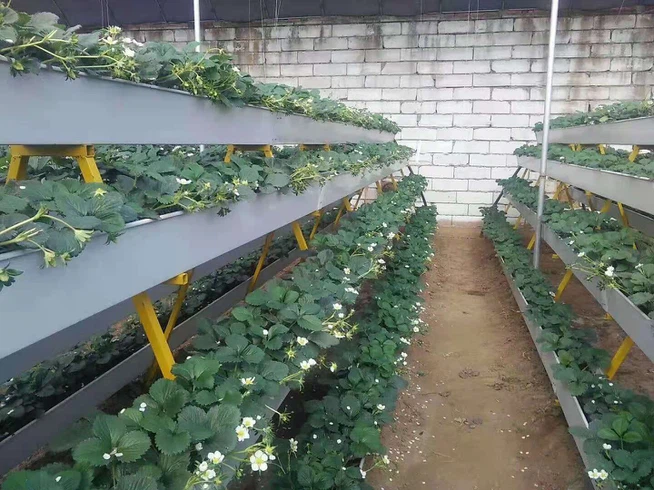
strawberry soilless cultivation
May 30, 2023
Leave a message
Soilless Cultivation of Strawberries
Soilless cultivation of strawberries is becoming increasingly popular due to its many advantages over traditional soil-based methods. This method involves growing strawberries without the use of soil, instead relying on a nutrient-rich solution to provide the necessary nutrients to the plants. This eliminates many of the issues associated with traditional soil-based cultivation, such as soil-borne diseases and pests, as well as allowing for higher yields and more control over plant growth. In this article, we will explore the methods and equipment used for soilless cultivation of strawberries.
Hydroponic vs. Aeroponic Systems
There are two main types of soilless cultivation systems: hydroponic and aeroponic. Hydroponic systems involve growing plants in a nutrient solution that is constantly recirculated through the system. The plants are typically grown in a growing medium such as perlite or coconut coir to provide support. On the other hand, aeroponic systems involve growing plants in a mist or fog of nutrient solution, with the roots suspended in the air. This method provides more oxygen to the roots, resulting in faster growth and higher yields.
Growing Medium
Although hydroponic systems can be used with a variety of growing mediums, some of the most commonly used are perlite, coconut coir, and rockwool. Perlite is a lightweight, porous material that provides good drainage and aeration, making it an ideal choice for hydroponic systems. Coconut coir is a sustainable alternative to peat moss and provides excellent water retention and aeration. Rockwool is a fibrous material that is perfect for seedlings and cuttings, providing good structure and excellent water retention.
Nutrient Solution
The nutrient solution used in soilless cultivation typically consists of water and a combination of essential nutrients such as nitrogen, phosphorus, and potassium. The pH of the solution is also important, as it affects the availability of the nutrients to the plants. Most hydroponic systems will have a pH range of 5.5-6.5, but this can vary depending on the type of plants being grown.
Lighting
In hydroponic and aeroponic systems, lighting is essential for the growth of the plants. LED grow lights are commonly used as they provide a full spectrum of light that is essential for plant growth. They are also energy-efficient and cost-effective, making them an ideal choice for indoor cultivation. The intensity and duration of the lighting will vary depending on the stage of growth of the plant.
Climate Control
Climate control is essential in soilless cultivation, as it allows for the control of temperature, humidity, and CO2 levels. Temperature should be maintained between 18-25°C for optimal growth, while humidity should be kept around 50-60%. CO2 levels should be kept between 800-1000 ppm to promote growth and yield.
Pest and Disease Control
One of the benefits of soilless cultivation is the reduced risk of pests and diseases. However, it is still important to monitor the plants for any signs of infestation and to take appropriate measures to control any outbreaks. Some commonly used methods to control pests and diseases in soilless cultivation include biological control, such as using predatory mites or bacteria, as well as physical methods such as netting to prevent infestations.
Conclusion
Soilless cultivation of strawberries is a modern and innovative way to grow crops using little or no soil. Hydroponic and aeroponic systems, combined with a variety of growing mediums, nutrient solutions, lighting, and climate control, provide an ideal environment for growing healthy and productive plants. This method of cultivation provides advantages such as increased yields, reduced pest and disease risks, and full control over plant growth, making it an excellent choice for gardeners and farmers alike.