


Classification GREENHOUSE TYPE
Aug 21, 2024
Leave a message
2. Classification according to indoor temperature
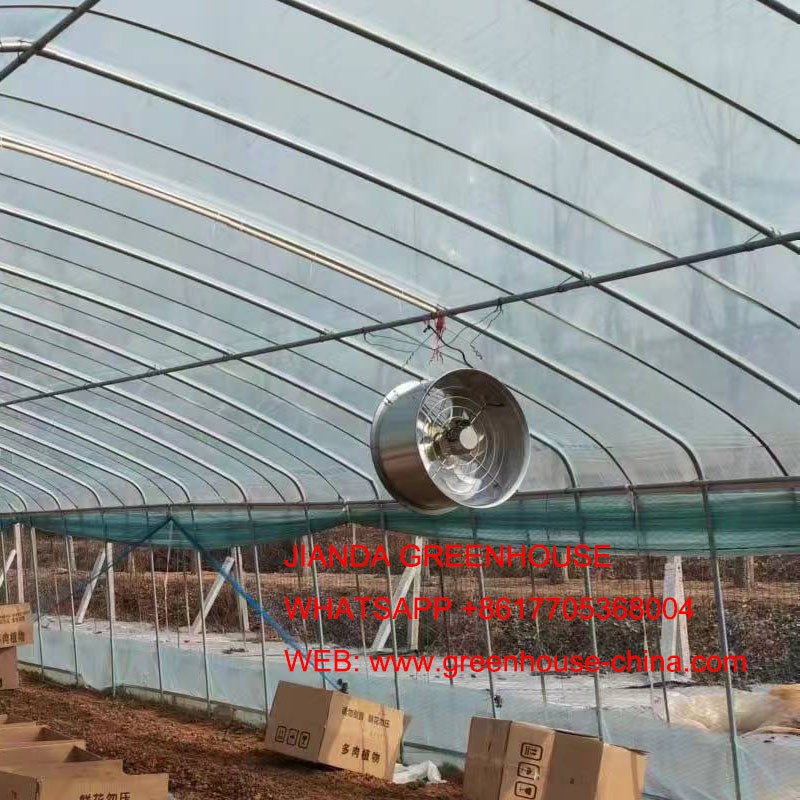

1. The indoor temperature of high-temperature greenhouses is generally maintained at 18~36°C in winter. They are mainly used to grow plants originating in tropical areas, such as tropical rainforest greenhouses in the north (mainly growing tropical rainforest plants that like high temperature and humidity indoors) and high-temperature sand greenhouses. (Cacti plants are mainly grown indoors in high-temperature and arid areas), etc.
2. Medium temperature greenhouse. The indoor temperature is generally maintained at 12~25℃ in winter. It is mainly used for planting plants native to the connecting zone between tropical and subtropical areas and tropical plateaus.
3. Low-temperature greenhouse. The indoor temperature is generally maintained at 5~20℃ in winter. It is mainly used for planting in subtropical and temperate regions.
native plants. 4. The indoor temperature of the cold room is generally maintained at 0~15℃ in winter. It is mainly used for planting and storing plants in temperate zones and native to the region as bonsai.
3. Classification of building materials according to main structure
1. Bamboo and wood structure greenhouses are greenhouses that use bamboo and wood materials such as moso bamboo, bamboo chips, and logs to make greenhouse roof beams or indoor columns and other load-bearing structures.
2. Reinforced concrete structure greenhouse: A greenhouse that uses reinforced concrete components as the load-bearing structure of the greenhouse roof. Greenhouses that use reinforced concrete components as indoor columns and bamboo and wood materials as roof structural components are still classified as bamboo-wood structure greenhouses.
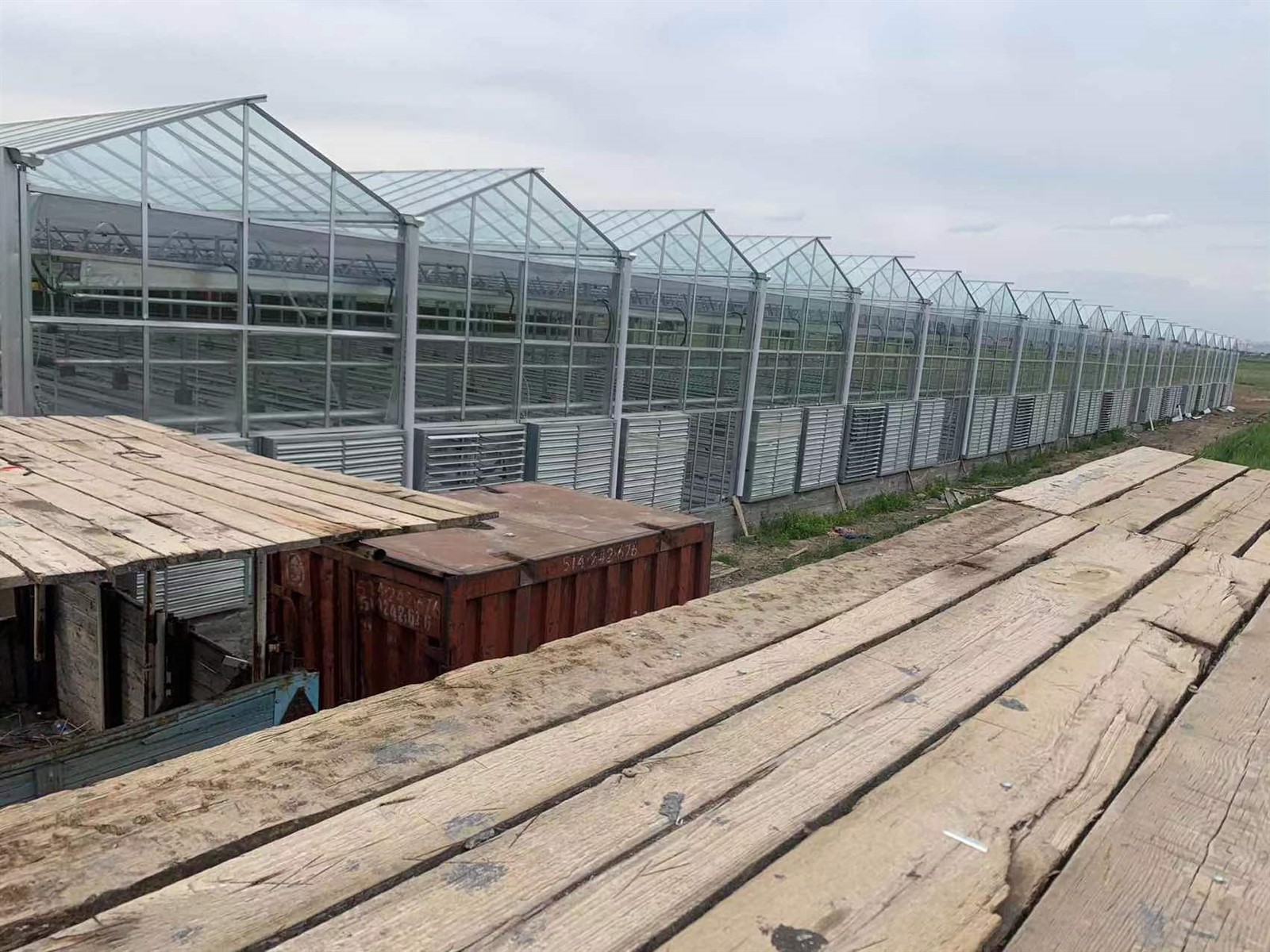
3. Steel structure greenhouse is a greenhouse that uses steel structural materials such as steel bars, steel pipes, steel plates or shaped steel as the main bearing structure of the greenhouse.
4. Aluminum alloy greenhouse: The entire load-bearing structure of the greenhouse is made of aluminum alloy profiles. The roof load-bearing members are alloy profiles, but greenhouses with steel structures such as beams, trusses, columns, etc. that support the roof are still classified as steel structure greenhouses.
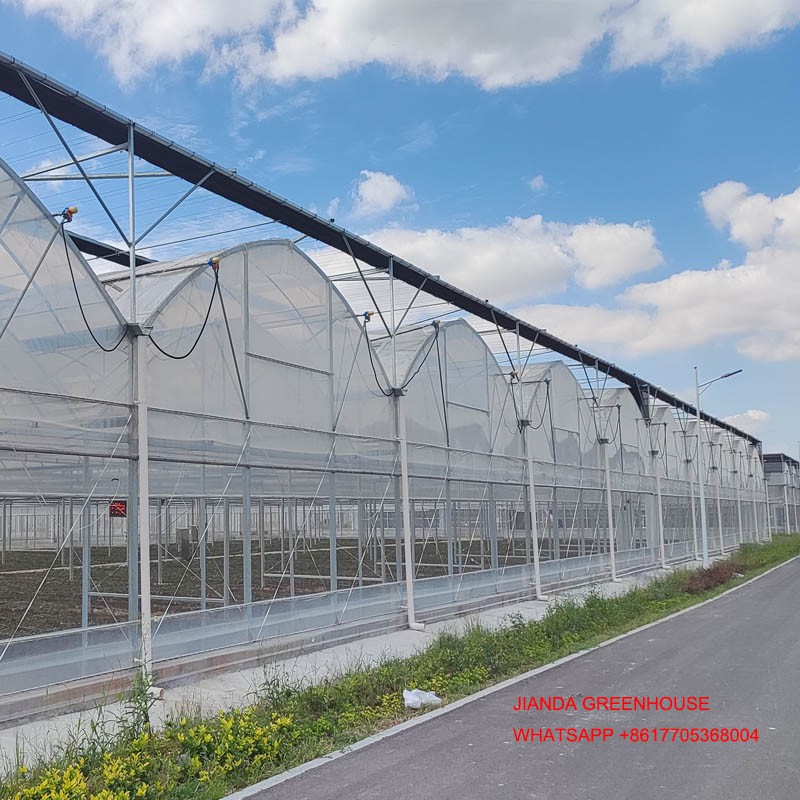
5. Other material greenhouses. Due to the continuous emergence of new building materials, greenhouses using these materials as load-bearing structures are also emerging, such as multi-span greenhouses with glass fiber greenhouse skeletons, glass fiber reinforced cement (GRC) skeleton solar greenhouses, steel-plastic composite materials Plastic greenhouses, wood-plastic skeleton greenhouses or solar greenhouses made of recycled plastic, etc.
4. Classification according to greenhouse light-transmitting covering materials
1. Glass greenhouse is a greenhouse with glass as the main light-transmitting covering material. A greenhouse covered with single-layer glass is called a single-layer glass greenhouse, and a greenhouse covered with double-layer glass is called a double-layer insulating glass greenhouse.
2. Plastic greenhouses: All greenhouses covered with light-transmitting plastic materials are collectively called plastic greenhouses. According to the properties of the plastic material, plastic greenhouses are further classified into plastic film greenhouses and rigid board plastic greenhouses. Plastic film greenhouses are divided into small and medium plastic greenhouses, plastic greenhouses and large plastic film greenhouses according to the greenhouse volume (the latter are usually directly called plastic film greenhouses or plastic greenhouses). In order to enhance the thermal insulation of plastic film greenhouses, double-layer plastic films are often used to cover them. A greenhouse in which the two layers of plastic films are supported by a skeleton is called a double-layer structure plastic greenhouse; a greenhouse in which the two layers of plastic films are separated by air in the middle is called a double-layer inflatable greenhouse. Membrane greenhouse. Rigid board plastic greenhouses are divided into polycarbonate (PC) board greenhouses (including PC hollow board greenhouses and PC corrugated board greenhouses), fiberglass (including fiberglass reinforced polycool boards FRP and glass fiber reinforced propionic resin boards FRA) according to different boards. ) greenhouse, etc.
It should be noted that if the light-transmitting covering material of a greenhouse is not a single material, but is covered by two or more materials, the greenhouse should be divided according to the light-transmitting covering material according to the roof light-transmitting material, and the light-transmitting covering material on the roof should be divided. The material with the largest material area is the basis for final division.
3. Photovoltaic greenhouse A greenhouse with photovoltaic power generation panels on the roof is called a photovoltaic greenhouse. Photovoltaic power generation panels are completely impermeableThere are two types of light-grade silicon photovoltaic panels and partially transparent non-grade silicon photovoltaic panels. Photovoltaic panels are arranged in strips, checkerboards and other forms on the greenhouse. Photovoltaic greenhouses generally have an east-west roof ridge, and photovoltaic panels are arranged on the south side of the roof. There are also a large number of solar greenhouses that arrange photovoltaic panels on the back roof of the greenhouse. Photovoltaic power generation and greenhouse lighting do not affect each other, truly realizing double-effect production of photovoltaic agriculture. The photovoltaic panels on the rear roof of the solar greenhouse are generally arranged along the length of the greenhouse. One panel, two panels, or three panels can be arranged along the width of the photovoltaic panels. Usually the photovoltaic panels are fixed, but in order to increase photovoltaic power generation, there are also The rotatable photovoltaic bracket allows the photovoltaic panels to always face the sun to achieve solar tracking. Crops grown in photovoltaic greenhouses should be compatible with the light transmission performance of the greenhouse roof. For greenhouse production, crop lighting should be given priority.